

Why USB-C Is the Last Charging Standard Hotels Will Need
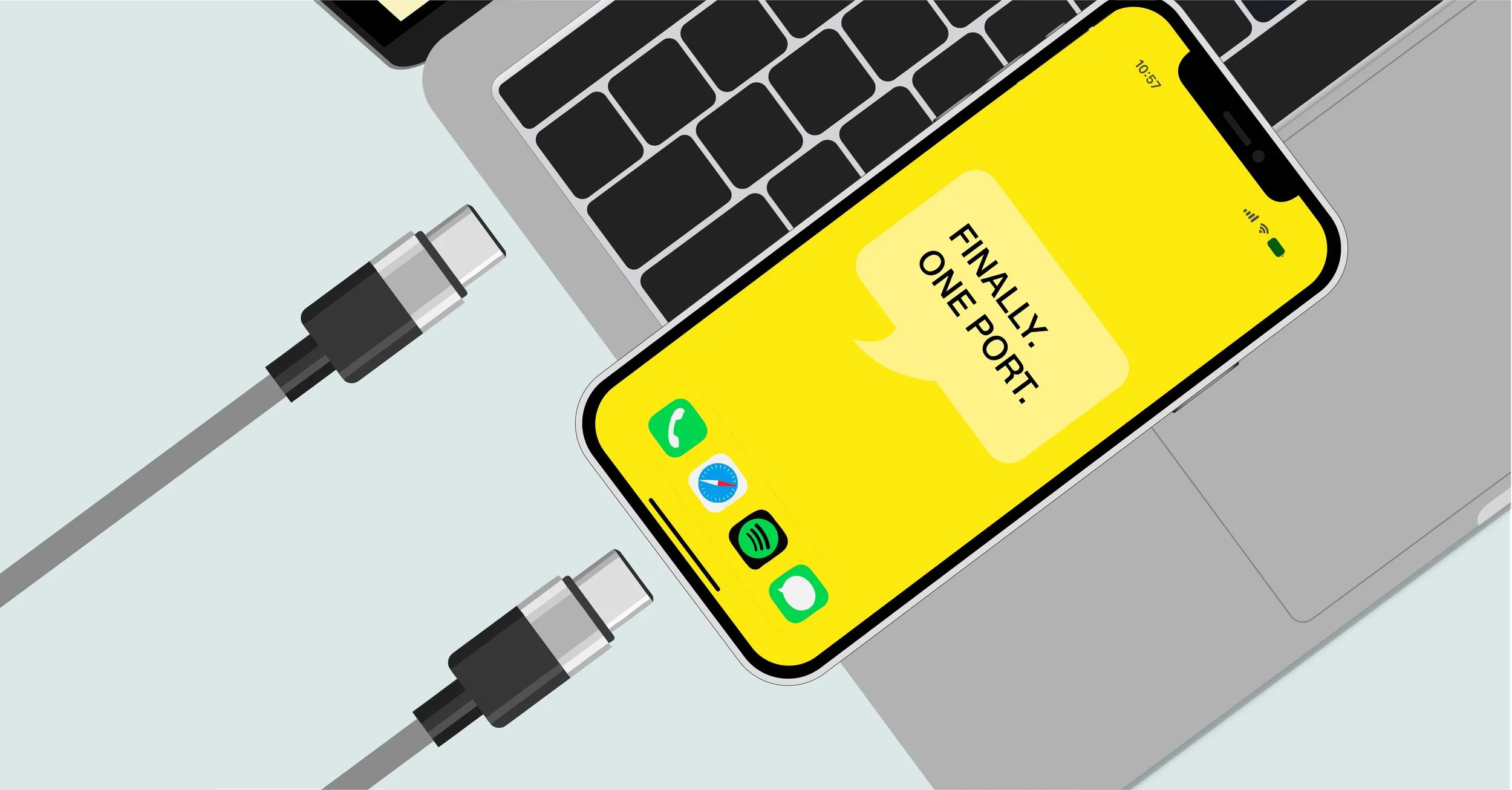
If you’ve been in hospitality long enough, you’ve seen charging standards come and go.
30-pin connectors.
Micro-USB.
USB-A.
Each one felt permanent—until it wasn’t.
That history is exactly why many hoteliers hesitate to update guest room charging stations or nightstand power: What if we upgrade now and the standard changes again?
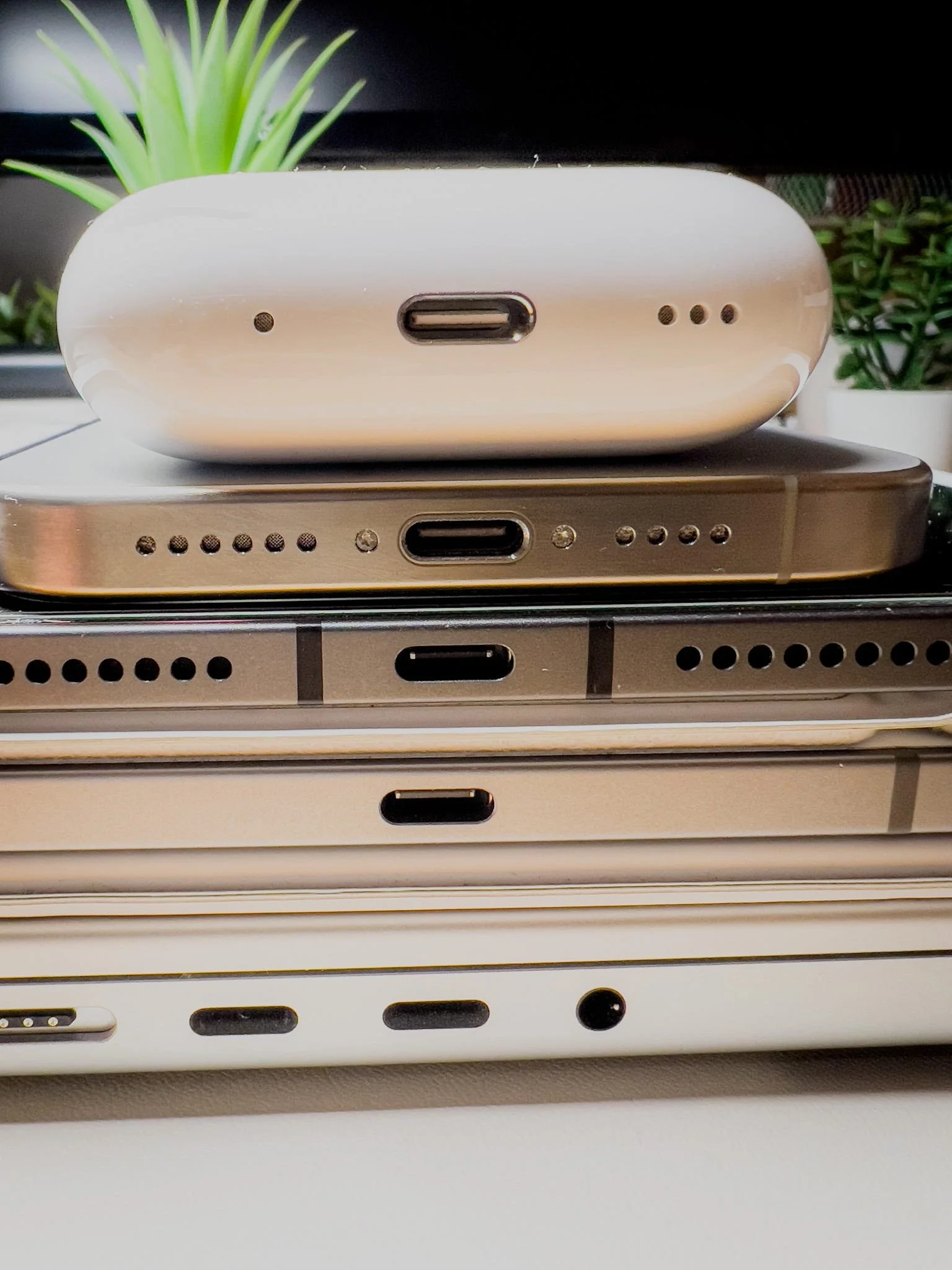
USB-C Ports can now be found across laptops, phones, earbuds and more
With USB-C, that fear no longer applies.
Apple’s Move Was the Tipping Point
Apple has historically been the industry’s biggest influencer when it comes to consumer hardware adoption. When Apple changes a standard, the rest of the ecosystem follows—accessories, peripherals, and user expectations included.
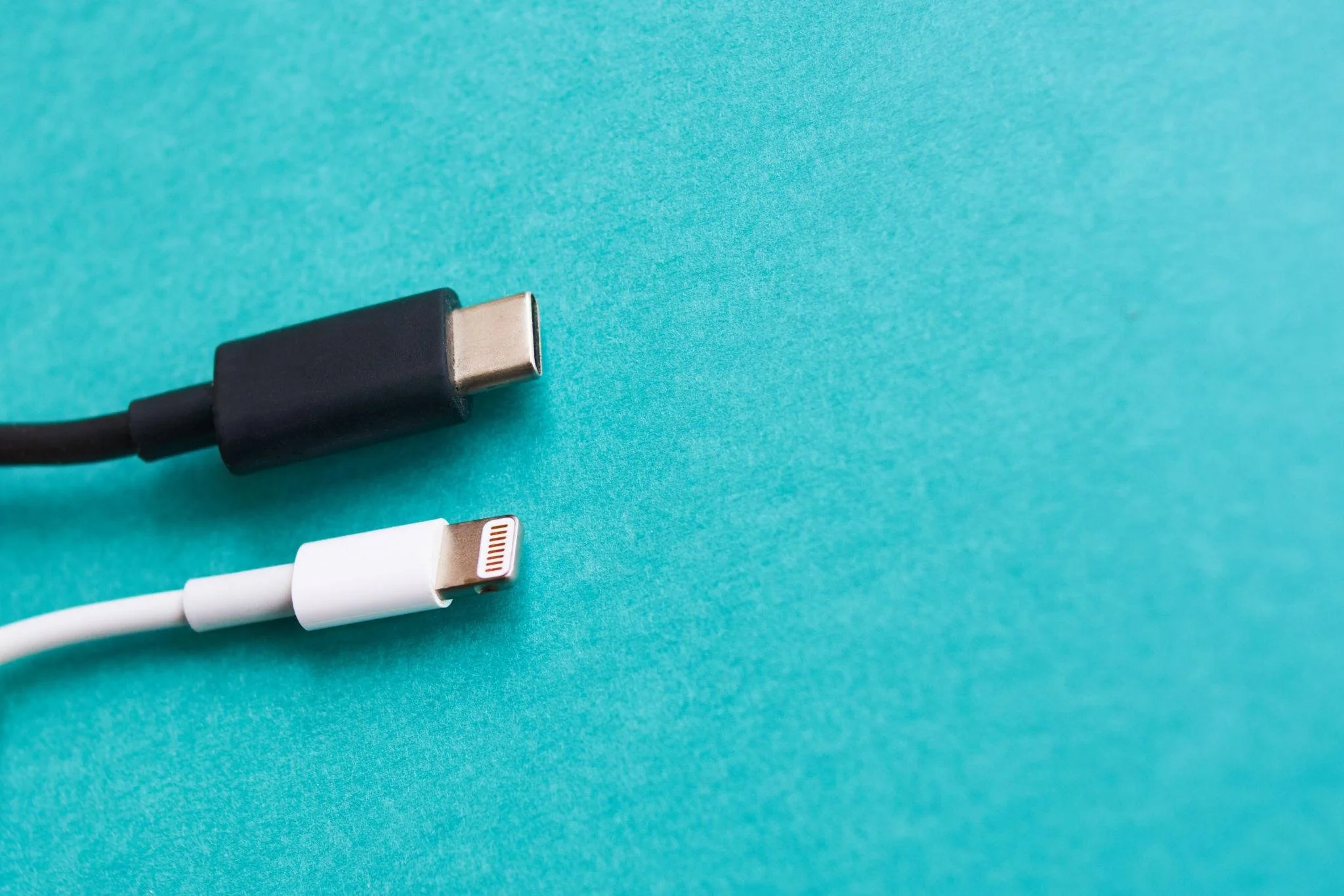
Apple’s iPhone lineup officially abandoned its proprietary Lightning port in favor of USB-C starting with iPhone 15, a move shaped in part by the European Union’s universal charger directives but embraced globally by Apple’s product strategy.
That transition eliminated the last major holdout among flagship smartphones and made USB-C the only charging format shared across:
Phones
Tablets
Laptops
Headphones
Power banks
Accessories
That level of universal adoption simply hasn’t existed before in consumer electronics.
USB-C Is a Standard, Not a Trend
Unlike earlier connectors, USB-C is not driven by a single manufacturer. It’s governed by the USB Implementers Forum (USB-IF) and supported by virtually every major technology brand in the world.
In key global markets like the European Union, USB-C has also been mandated by regulation through the Radio Equipment Directive (EU 2022/2380), requiring USB-C on all new smartphones, tablets, cameras, headsets, and more. Laptops follow by 2026.
Standards that are:
Globally adopted
Regulated
Backward compatible
don’t get replaced—they evolve.
More Than Charging: Why USB-C Is Fundamentally Different
USB-C succeeded where previous connectors failed because it was designed to be more than just a charging port.
USB-C offers advantages earlier standards simply didn’t:
Symmetric, reversible plug (more guest-friendly)
High-speed data support (USB 3.x and Thunderbolt)
High-wattage power delivery via USB-C Power Delivery (USB-PD)
Video and alternate modes, enabling display output and other functions
Massive ecosystem adoption across consumer electronics
Global regulatory momentum, especially in Europe
In other words, USB-C isn’t just power—it’s a unified data + power + display interface in a single connector. That level of flexibility is exactly why the industry aligned around it instead of moving on to yet another port.
Built to Evolve Within the Standard
We’re absolutely not saying that technology will stop improving. Charging continually gets better—higher power delivery levels, smarter thermal management, and improved data/power negotiation protocols are all still evolving.
The key difference with USB-C is that these improvements happen within the same connector standard. That means even if the USB-C port you install today doesn’t support tomorrow’s highest possible charging speed, it will still work reliably with devices—which, after all, is what matters most to guests.
This contrasts sharply with past standards, which were often replaced entirely because they simply couldn’t scale (like micro-USB or proprietary connectors).
Today’s USB-C supports a range of power levels through the USB Power Delivery specification, enabling the same port to safely charge anything from a phone to a laptop without changing the physical connector.
That’s why USB-C doesn’t need a replacement port to support future innovations—the improvements happen around the connector, not on top of a new one.
What This Means for the Hotel Guest Room
Guests travel with a mix of devices and expect:
Universal charging support at the nightstand
Fewer adapters and lost cables
Compatibility regardless of brand or device type
USB-C delivers all of that—and, thanks to Apple’s and the broader industry’s alignment around it, it’s now the default charging behavior for the vast majority of travelers.
How Terminal Fits In
Terminal, Nonstop’s new built-in guest room charging solution, was designed around this reality.
Terminal includes:
Two USB-C ports, with optional Power Delivery for fast charging
USB-A ports for legacy devices
AC outlets for everything else guests bring
Built for seamless integration into nightstands, headboards, or millwork, Terminal gives hoteliers confidence that their charging station investment won’t be outdated in a few years—even as technology improves.
USB-C isn’t just the next port.
It’s the one the industry finally aligned around.
And Terminal is built to support it—today, tomorrow, and well into the future.